
In the journey of healing, scars tell a story—but sometimes that story isn’t the one you want to share. Scar revision goes beyond simple cosmetic fixes; it requires understanding how different scar types interact with your unique skin and lifestyle. In Miami’s diverse community, personalized approaches to scar treatment can transform not only appearance but also how you feel in your skin, blending advanced techniques with thoughtful, boutique-level care.
Understanding Scars: Types and Challenges
Scars aren’t all the same, and their differences go far beyond appearance. From flat, pale marks to raised hypertrophic scars and stubborn keloids, each type reflects a unique healing response influenced by genetics, skin type, and even daily habits like sun exposure. What many overlook is how scars affect skin function—tightness, sensitivity, or restricted movement can occur beneath the surface, impacting comfort and quality of life. In a city like Miami, where skin tones and lifestyles vary widely, recognizing these nuances is crucial. Tailoring treatment means addressing not only the visible scar but also the underlying tissue changes and the emotional weight scars can carry, making scar revision a truly holistic process.
Surgical Scar Revision: When and Why It’s Necessary
Surgical scar revision is often seen as a last resort, but its timing and purpose go beyond simply improving appearance. It becomes necessary when scars cause functional problems like limited movement or chronic discomfort, especially in areas like the hands or joints. Sometimes, scars that appear healed on the surface hide deeper tissue issues, such as thickened or tethered layers, which only surgery can correct. Another less discussed reason for surgical revision is to reset the healing process—removing old scar tissue to encourage the skin to repair itself more favorably. For patients with darker skin tones common in Miami, surgery may be carefully planned to minimize risks of keloid formation. Thus, surgical scar revision is a precise, personalized intervention, not just a cosmetic fix, addressing both form and function for lasting results.
Personalized Scar Treatment
- Recognizing that no two scars are alike: Each scar develops based on unique factors—skin type, injury depth, location, and even genetics. Personalized treatment begins with understanding these nuances rather than applying generic solutions. For example, scars on the face require delicate approaches to preserve expression and natural contours, while scars on the body may demand more robust interventions.
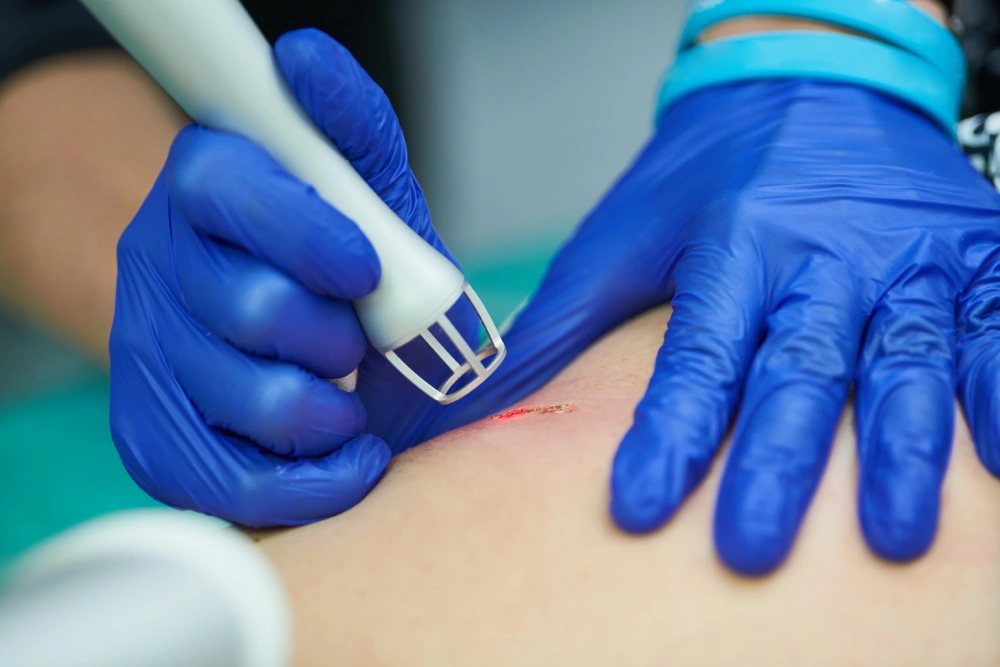
- Assessing scar maturity and texture: Early-stage scars are more responsive to treatments like laser therapy or silicone gels, while mature scars might need deeper surgical revision or filler injections. Timing the treatment to the scar’s healing phase optimizes results and prevents unnecessary procedures.
- Integrating multidisciplinary approaches: Combining treatments such as fractional laser therapy with microneedling or using fillers alongside surgical revision can target different layers of the scar. This layered approach addresses surface irregularities, volume loss, and skin texture simultaneously, which many experts often overlook.
- Accounting for skin tone and ethnicity: In Miami’s diverse population, personalized care means adjusting treatments to minimize pigmentation changes and keloid risks. For example, certain lasers or chemical peels might be too aggressive for darker skin tones, requiring gentler yet effective alternatives.
- Lifestyle and healing environment: Personalized scar care also involves advising patients on how factors like sun exposure, hydration, and nutrition influence healing. Customized aftercare plans include sun protection routines and topical therapies tailored to the patient’s daily habits.
- Psychological aspects of scarring: Understanding how scars affect self-esteem and confidence is crucial. Personalized treatment plans often incorporate emotional support and realistic expectations, fostering a holistic healing experience beyond physical appearance.
This comprehensive, tailored approach ensures each patient receives the most effective and safest care for their unique scar challenges.
What to Expect During Your Scar Revision Journey
Your scar revision journey is a gradual, personalized process that extends beyond the procedure itself. Initially, your specialist will conduct a thorough assessment, considering not only the scar’s appearance but also how it affects your skin’s function and sensation. Expect a detailed discussion about your lifestyle, healing history, and goals—this helps tailor the treatment plan specifically to you.
Treatment sessions may be spaced out to allow your skin time to heal and respond, with ongoing adjustments based on progress. Some therapies, like laser treatments or fillers, require multiple visits for optimal results. You might also experience temporary redness, swelling, or sensitivity as part of the healing process, which is a natural response to skin remodeling.
Throughout, communication with your provider is key. Openly sharing feedback and concerns ensures your care adapts to your needs, leading to better outcomes and a smoother recovery experience.
Managing Patient Expectations: The Art of Realistic Outcomes
One of the most overlooked aspects of scar revision is managing patient expectations with care and honesty. Scar improvement is often gradual, and complete erasure is rarely possible. Each individual’s skin responds differently, influenced by factors like genetics, scar age, and location. Emphasizing that scar revision aims to enhance texture, color, and contour rather than perfect disappearance helps patients stay grounded. Understanding the natural healing timeline and potential for multiple treatments avoids disappointment. Open communication about what each technique can realistically achieve, combined with personalized goal-setting, empowers patients to embrace their unique healing journey with confidence and patience—an essential, yet seldom discussed, part of successful scar care.
The Role of Post-Treatment Care in Scar Healing and Longevity
Post-treatment care is often underestimated but crucial for lasting scar improvement. Proper wound care, sun protection, and hydration create the ideal environment for skin remodeling. Many overlook how even subtle daily habits—like avoiding harsh skincare products or managing tension around the scar—can affect outcomes. Follow-up treatments such as light therapy or gentle massage may also support collagen balance and prevent excessive scar tissue buildup. Personalized aftercare plans that adapt to a patient’s lifestyle and skin response can significantly extend the benefits of revision procedures, ensuring scars remain as smooth and inconspicuous as possible over time.
Conclusion
Scar revision is a highly personalized journey that blends advanced techniques, careful planning, and attentive aftercare to achieve the best possible results. Understanding the unique nature of your scars and working with a specialist who tailors treatments to your skin and lifestyle makes all the difference. Whether you’re considering laser therapy, surgical revision, or fillers, a thoughtful approach ensures both improved appearance and long-term skin health. If you’re ready to explore your scar revision options or have questions about which treatment fits you best, don’t hesitate to reach out. Visit us or call 305-562-5859 to schedule a consultation with our expert team dedicated to your natural, beautiful results.