

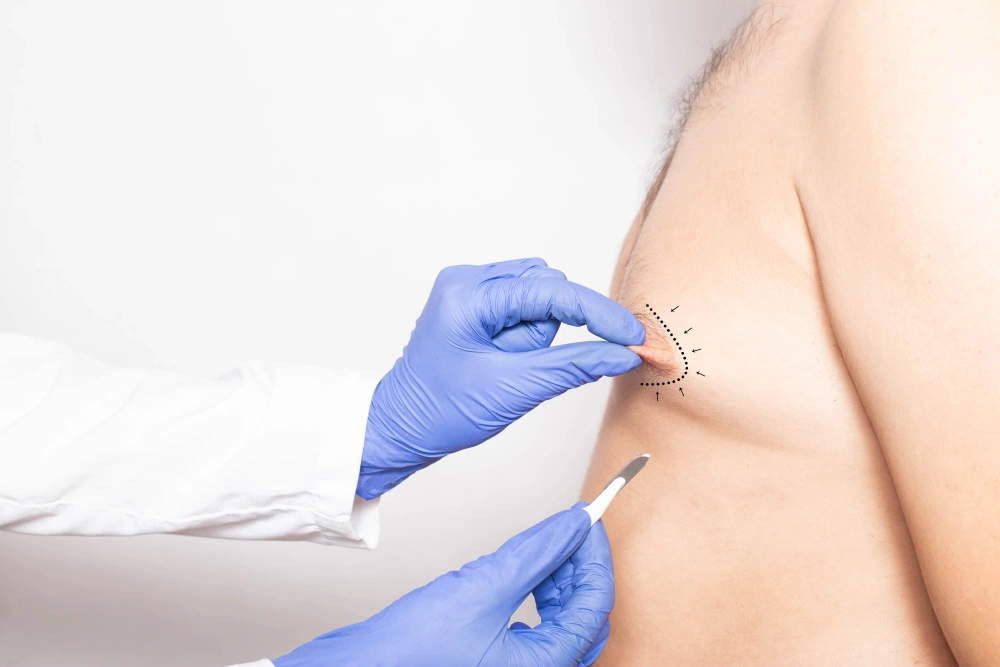
Areola reduction is a delicate procedure that often carries a quiet, personal motivation—restoring proportion, comfort, or confidence rather than chasing perfection. Many people don’t realize how much the areola’s size and placement influence the natural harmony of the breast. This surgery isn’t just aesthetic; it’s about alignment between how you look and how you feel in your own skin, achieved through subtle, precise artistry.
Understanding Areola Reduction Surgery
Areola reduction is a highly detailed procedure that focuses on proportion, not size alone. During surgery, a small circular incision is made around the existing areola to remove excess tissue and reshape its border. What’s rarely discussed is the precision required to maintain natural texture and pigment transitions—subtle shifts that keep the result organic, not “surgical.” Surgeons also consider the balance between the nipple, breast mound, and chest wall, ensuring the new shape fits seamlessly with the body’s rhythm. Every millimeter matters, both visually and emotionally, because this adjustment influences symmetry, posture, and how comfortably a person relates to their own reflection.
Who Is a Good Candidate for Areola Reduction?
Candidacy for areola reduction extends far beyond cosmetic preference. It often begins with how a person feels about proportion, balance, and subtle changes that affect self-perception. While the procedure is relatively small, its emotional impact can be significant. Ideal candidates often share a combination of the following characteristics:
- Visible size imbalance or stretching
- The areola may appear enlarged or stretched after pregnancy, breastfeeding, or weight fluctuations.
- Some patients notice the tissue doesn’t contract back naturally and affects how clothing or swimwear fits.
- Natural asymmetry between breasts
- One areola may be noticeably larger or differently shaped.
- Correction focuses on visual harmony rather than identical replication.
- Post-surgical or post-trauma changes
- Patients who’ve undergone breast surgery—augmentation, reduction, or reconstruction—may seek areola refinement for proportion and symmetry.
- Areola reduction can also address irregular scarring or pigment variation from previous incisions.
- Emotional discomfort or self-consciousness
- Many individuals simply feel their areolas are too prominent, visible through clothing, or out of proportion with their breast shape.
- The motivation is often deeply personal, rooted in comfort rather than vanity.
- Stable breast and skin health
- Ideal candidates have healthy skin elasticity, allowing the areola to heal smoothly and maintain its new contour.
- Any underlying breast conditions should be evaluated before surgery.
- For men, chest definition concerns
- Men with gynecomastia or stretched areolas after weight loss often seek this procedure to achieve a more defined, balanced chest.
- Realistic expectations and emotional readiness
- Candidates understand that areola reduction refines, not transforms, the breast.
- The best outcomes occur when patients view the surgery as part of self-alignment, not perfection.
Choosing this procedure is ultimately about comfort and confidence—aligning outward appearance with inner self-assurance through subtle, intentional change.
The Areola Reduction Experience: What to Expect Before, During, and After
Before surgery, your consultation focuses on proportion, not perfection—measuring how the areola complements your breast shape, skin tone, and natural landmarks. Photos may be used to visualize subtle changes, helping you and your surgeon align on outcome and symmetry. During the procedure, local or general anesthesia ensures comfort while precise circular incisions reshape and reposition the areola. Most patients are surprised by how little discomfort they feel. After surgery, mild swelling and sensitivity are common, but these fade quickly. The focus shifts to healing—protecting delicate new skin edges and allowing pigment to settle naturally over time, revealing a balanced, proportionate result that blends seamlessly with your body’s contours.
Scarring, Healing, and Long-Term Results
Scarring after areola reduction is typically minimal because the incision follows the natural border between the areola and surrounding skin, where color and texture already shift. Over time, the scar softens and blends, often becoming nearly invisible. Healing isn’t just about tissue—it’s about how pigment rebalances and the skin’s surface regains its natural elasticity. Following post-care instructions, like avoiding pressure or friction early on, supports smoother recovery. Within a few months, the areola settles into its new shape and tone, with results that feel integrated rather than altered. Most patients describe not only aesthetic improvement but also a quiet sense of physical and emotional ease returning.
Combining Procedures: Areola Reduction with Other Breast Surgeries
Areola reduction is often paired with other breast procedures to enhance overall proportion and aesthetic balance. When thoughtfully combined, results can look more natural and cohesive.
- With Breast Lift: Helps reposition the areola to match the new breast contour, maintaining symmetry and youthful shape.
- With Breast Augmentation: Ensures the areola’s size complements the new volume, avoiding a “stretched” look post-implant.
- With Breast Reduction: Refines the areola’s diameter as the breast size decreases, creating balanced proportions.
- With Revision Surgery: Addresses past surgical outcomes such as uneven areolas or visible scarring.
- With Male Chest Surgery: Reduces areola size for a flatter, more masculine chest contour.
Each combination is tailored to the individual, achieving harmony between structure, skin, and self-image.
Emotional Impact: Why Subtle Changes Can Feel Transformative
Areola reduction often creates a shift that’s more emotional than visual. For many, it’s not about looking different—it’s about feeling aligned again. When something as small as the areola’s size feels out of balance, it can quietly affect confidence, intimacy, and self-image. Correcting that detail restores a sense of ownership over one’s body. The change is subtle but deeply personal; clothing fits differently, posture relaxes, and self-awareness softens. These emotional adjustments often happen gradually, mirroring the physical healing process, as patients begin to recognize their reflection with calm familiarity rather than critique.
Final Thoughts: Finding Confidence Through Personalized Care
Areola reduction is a small yet powerful procedure that can bring emotional and physical harmony to how you see yourself. By addressing such a personal detail with precision and care, patients often rediscover confidence that feels natural and effortless. Whether combined with a breast lift or performed on its own, it’s about restoring balance—not changing who you are. To learn more about whether this procedure is right for you, visit Plastic Surgery Boutique or call 305-562-5859 to schedule your private consultation with Dr. Sophie.