

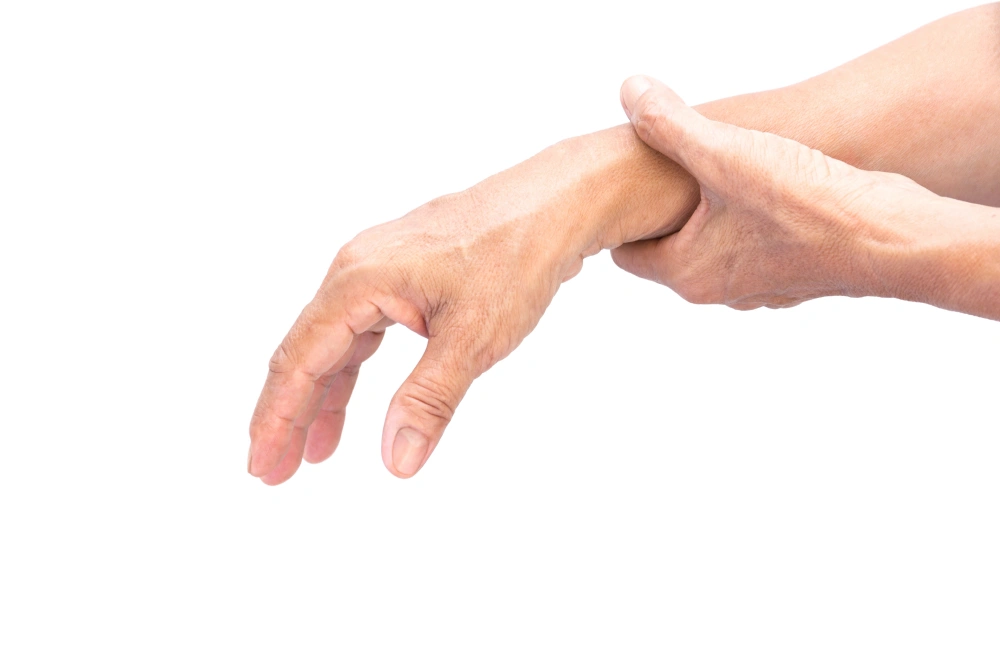
Most people dismiss wrist pain as a minor strain — until it starts to interfere with simple motions like lifting a child, typing, or turning a key. De Quervain’s Tenosynovitis often begins quietly, caused by subtle patterns of overuse that inflame the tendons near your thumb. Understanding how this condition develops — and how early, precise care prevents lasting stiffness — is the first step toward restoring natural, effortless movement.
What Is De Quervain’s Tenosynovitis?
De Quervain’s Tenosynovitis is a painful condition affecting the tendons on the thumb side of your wrist. These tendons run through a narrow tunnel, and when they become irritated or swollen, their smooth movement is restricted. The result is pain, tenderness, or stiffness—especially when you grip, twist, or lift objects.
While it’s often labeled an “overuse injury,” this condition is more nuanced. It can stem from repetitive wrist motions, yes, but also from subtle imbalances in movement patterns, hormonal changes (particularly during pregnancy or postpartum), or even poor wrist ergonomics in daily life. Over time, these factors combine to create chronic tension and inflammation.
Understanding the underlying mechanics of De Quervain’s is key. It’s not simply about rest—it’s about addressing the root cause, retraining motion, and restoring the smooth coordination between tendon, sheath, and bone that makes everyday hand movements effortless.
Common Causes and Risk Factors
De Quervain’s Tenosynovitis doesn’t appear overnight — it develops from a mix of physical strain, biological shifts, and even subtle lifestyle habits that place uneven stress on the wrist. Understanding what contributes to it can help prevent recurrence and guide treatment.
- Repetitive Micro-Movements:
Repeated thumb or wrist motions — like scrolling on a phone, typing, or gripping small objects — can create friction inside the tendon sheath, leading to chronic irritation. - New or Intensive Physical Activity:
Sudden increases in activity, such as weightlifting, yoga, or even childcare duties, can overload tendons that aren’t yet conditioned for that specific movement pattern. - Hormonal and Fluid Changes:
Pregnancy and postpartum periods often trigger inflammation and swelling in soft tissues. This makes women more susceptible to wrist tendon irritation, particularly when caring for infants. - Postural and Biomechanical Imbalances:
Small misalignments — like shoulder tension, forward head posture, or improper wrist angles while using a computer — can gradually increase load on the thumb tendons over time. - Occupational Stress:
Jobs involving repetitive handwork (hairstylists, musicians, medical professionals, or those who use handheld tools) tend to develop small, chronic strains that compound into inflammation. - Prior Wrist Injury or Scar Tissue:
Even a minor wrist sprain or surgical scar can change how tendons move within their sheath, making friction more likely. - Genetic or Connective Tissue Factors:
Some people have naturally tighter tendon sheaths or lower collagen flexibility, predisposing them to inflammation. - Unbalanced Strength or Weak Stabilizers:
When supporting muscles around the wrist and forearm are weak, tendons compensate, increasing stress and overuse.
Recognizing these less obvious triggers helps ensure that treatment isn’t just reactive but also preventive — addressing the deeper patterns that caused the condition to develop in the first place. This approach supports long-term healing, reduces recurrence, and empowers patients to move with greater awareness, balance, and resilience in their daily activities.
Recognizing the Symptoms: Early Signs That Matter
De Quervain’s Tenosynovitis often begins quietly — a dull ache near the thumb or wrist that’s easy to ignore. Early signs can include tenderness when pressing along the wrist’s outer edge, stiffness in the morning, or sharp pain when lifting objects between thumb and forefinger. Some people notice a subtle “catching” or grinding feeling with movement, or mild swelling that doesn’t resolve with rest. These early symptoms are signals of tendon inflammation, not just overuse or fatigue. Paying attention at this stage is critical — prompt, gentle care can prevent progression to chronic pain, scar formation, or limited motion that takes longer to reverse completely.
Treatment Options: From Conservative Care to Surgery
Treatment for De Quervain’s Tenosynovitis usually starts with gentle, conservative measures designed to calm inflammation and restore smooth tendon motion. Rest, splinting, and temporary activity changes can help relieve strain, while anti-inflammatory medications or cold therapy reduce swelling. Physical therapy focuses on retraining wrist and thumb movements, improving flexibility, and rebuilding strength in the supporting muscles.
If discomfort persists, a corticosteroid injection may offer significant relief by reducing tendon sheath inflammation. In more advanced cases, a minimally invasive surgical release may be performed to open the tight sheath and restore full tendon glide. When done by an experienced hand surgeon, this outpatient procedure typically results in rapid recovery and a lasting return to pain-free, natural movement.
Recovery and Rehabilitation: What to Expect
Recovery from De Quervain’s Tenosynovitis varies depending on treatment type and how long symptoms were present before intervention. True healing involves more than rest — it’s about retraining the hand to move efficiently and pain-free.
- Early Stage Recovery (First Few Weeks):
Swelling and tenderness gradually fade. Gentle range-of-motion exercises help restore flexibility without overstressing the tendons. - Post-Injection or Surgery Phase:
Patients typically notice relief within days of corticosteroid treatment or after surgical decompression. Light activities resume early, with structured therapy to rebuild strength and coordination. - Physical Therapy Focus:
Therapists guide progressive exercises to prevent stiffness and retrain muscle balance around the thumb and wrist. - Lifestyle Adjustments:
Ergonomic changes, posture correction, and mindful use of the wrist prevent recurrence. - Long-Term Healing:
Most regain full, comfortable motion within weeks, though lasting success depends on consistency with therapy and proper self-care habits.
Final Thoughts: Restoring Strength and Comfort in Every Movement
De Quervain’s Tenosynovitis may seem like a small wrist condition, but its impact on daily comfort can be significant. The good news is that with timely diagnosis, expert care, and proper rehabilitation, full recovery is not only possible but common. Whether your symptoms are new or persistent, addressing them early helps preserve mobility and prevent chronic strain. At Plastic Surgery Boutique, we specialize in restoring both form and function with a patient-centered approach. Visit us or call 305-562-5859 to schedule an appointment and begin your path toward lasting relief and restored confidence in every movement.